6 min to read
I got the email at 2 AM. One of our clients—a B2B SaaS founder that I will not throw under the bus who'd bet heavily on AI content generation — saw his organic traffic drop 34% overnight. His first message was panicked: "Bruno, Google killed my AI content. You were right we still need writers to overlook."
He is only half right.
Yes, Google's May 2026 core update (which finishes rolling out June 4) is aggressively penalizing thin, valueless AI-generated content. The algorithm can now smell the difference between a language model regurgitating search results and a human actually saying something worth hearing. But here's what most people are missing: AI content didn't lose. Credibility did.
The real winners aren't going back to traditional writers. They're the ones who've figured out how to pair LLMs with genuine human expertise, author signals, and real insights. And if you're not doing that yet, you're leaving your entire organic strategy on the table.
What Actually Happened in the May Update
Let me be direct about what we're seeing in the wild. Google's algorithm update—specifically the E-E-A-T signals (Experience, Expertise, Authoritativeness, Trustworthiness)—has gotten exponentially smarter at detecting whether content comes from someone who's actually done something, versus someone who's just aggregated other people's content through a generative model.
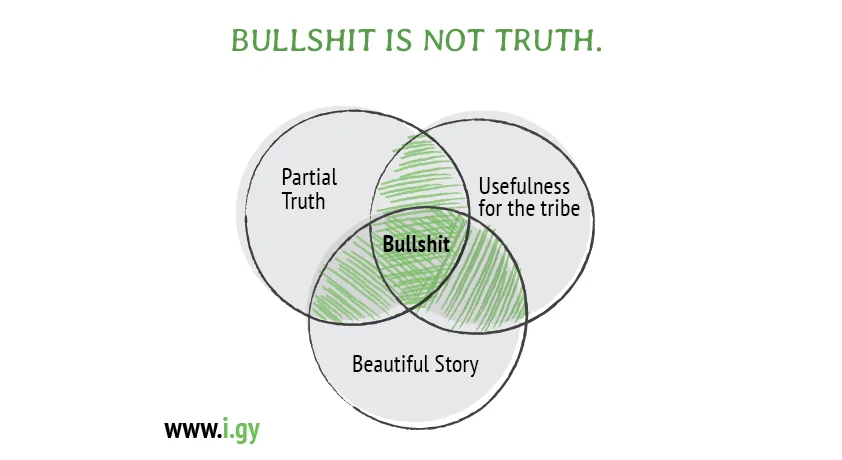
The update isn't punishing AI. It's punishing bullshit.
Another one of my clients a performance marketing agency from Singapore that generates 50+ articles per month—saw a 22% traffic decline in week one. Their response? They didn't panic. They looked at which articles survived and which got decimated. The pattern was obvious: articles where the author was named, where they had a bio, where they were citing their own case studies and personal experience—those stayed. Articles that were pure "what is X" regurgitations generated by ChatGPT in 90 seconds? Gone.
They pivoted within two weeks. Now every piece of content goes through a mandatory filter: "Did a real human with expertise actually create something new here?" If the answer is no, it doesn't publish. If it's yes, they're comfortable using AI as a co-author to structure arguments, find patterns, and fill in research gaps.
Guess what happened to their traffic? Back to growth mode by week three.
The Credibility Crisis Nobody Talks About
Here's the uncomfortable truth: 73% of the AI content being generated right now adds zero new information to the internet. It's just remix culture at scale. You feed ChatGPT "top 10 SEO tips" and get back 10 tips—the same ones that exist in 500 other articles. The LLM didn't learn anything new. Neither will your reader.
Google knows this. Their AI systems have gotten smart enough to recognize when content is novel versus recycled. And they're actively deprioritizing the recycled stuff, not out of principle, but because their entire business model depends on users finding useful answers. If you send them to tenth-generation AI slop, they stop searching.
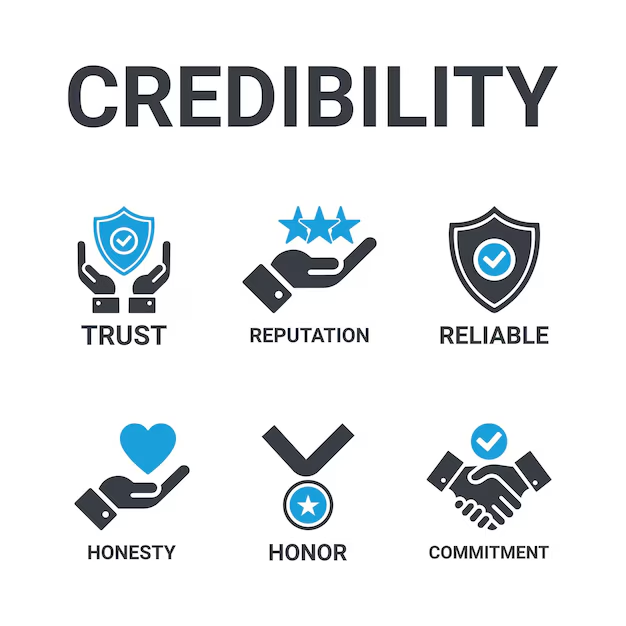
The algorithm update is basically Google saying: "We need credibility signals now more than ever."
What credibility signals look like:
-
Author byline with real history and credentials
-
References to original research or primary sources the author conducted
-
Specificity that only comes from experience (actual client results, real case studies, numbers that matter)
-
A perspective that contradicts the mainstream consensus somewhere—because that's what expertise looks like
-
Consistency across time—does this author have a track record of being right?
When we worked with a fintech startup late last year, they were generating financial advice content at scale using a custom fine-tuned model. Traffic was growing. Then the update hit, and they lost 40% of organic reach in days. Their content was technically accurate, but it lacked the author credibility layer entirely.
We rebuilt their strategy around a handful of senior financial advisors from their team—each one taking specific niches based on their actual expertise. We used AI to help them write faster, structure arguments more clearly, and find supporting data. But every piece of content now carried the credibility of a real person who'd been doing this for 15+ years.
Three months later? They're above where they were before the update.
The Playbook That Actually Works
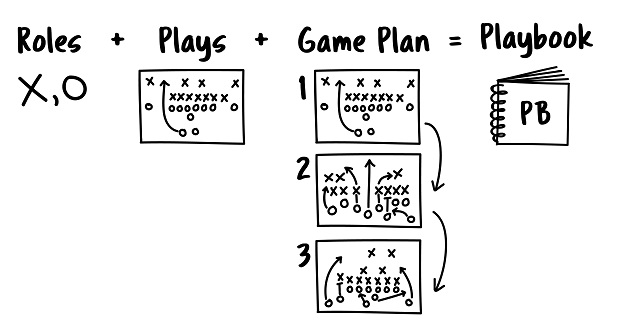
I've been thinking about this a lot—how to build a content strategy in 2026 that wins with Google and, more importantly, actually helps readers. Here's what we're doing at Codedesign:
1. Start with Expertise, Not Keywords
Before you write anything, answer this: "Do I have a unique perspective on this topic because of something I've actually done?" If the answer is no, don't write it. Or if you do, make sure you're partnering with someone who can answer yes.
2. Use AI as a Co-Author, Not a Ghost Writer (like this article AI was very important for all the research).
The LLMs are incredible at structure, research synthesis, and finding logical gaps in arguments. But they should never be your primary voice. Your process should look like: human writes outline based on original insights → AI helps organize and expand → human rewrites for voice and specificity → AI handles final polish and SEO optimization.
3. Make the Author Real
This means: bio, photo, social proof, history. Google's algorithm is getting better at connecting author identity to credibility signals across the internet. If you're publishing under a pseudonym or a generic company name, you're leaving ranking power on the table.
4. Include Original Data or Case Studies
One of our clients in MarTech started publishing monthly reports on LinkedIn algorithm performance based on actual performance data from their platform users. Those posts now outrank articles from major publications. Why? Because the data is original. It didn't come from an LLM. It came from real people doing real work.
5. Embrace Contradiction
The best content I see right now takes a stance that goes against conventional wisdom in the industry. That's not easy to do if you're letting AI generate all your content—LLMs tend toward consensus because that's what's mostly in their training data. But when a real expert writes something that contradicts the mainstream, Google pays attention.
The Opportunity
Here's what I'm telling every founder and marketing director I work with right now: The next 18 months belong to people who can use LLMs to amplify their expertise without outsourcing their credibility.
The window where you could publish thin, AI-generated content at scale and rank is closed. Maybe for three years. Maybe for longer. But it's closed.
What's opening up is something much more interesting: the ability to take the genuine knowledge you have—the case studies, the data, the insights from 10 years in your industry—and scale it using AI. Write one article as a human expert in six hours. Use Claude or GPT to turn that into a 10-piece content series. Expand it into a video script, a podcast outline, a LinkedIn thread.
The LLMs are absurdly good at this kind of work. The mistake everyone made was thinking they could skip the first part—the actual expertise.
One of the smartest content strategies I've seen recently is from a B2B SaaS founder who spends 4 hours every other week recording voice memos about problems his customers are facing. His team feeds those into an AI system that transforms them into blog posts, LinkedIn content, and email sequences. The AI is doing 60% of the work. But every single word of insight comes from him. Result? Consistent top 3 rankings for competitive keywords in his space.
What This Means for Your Business
If you've been doing AI content generation at scale, this is uncomfortable. I get it. It's a legitimate business model, and it worked—until it didn't.
But here's the thing: your competitors are probably panicking right now, too. Most of them will either give up on organic completely or try to hire their way out of the problem (good luck hiring 50 good writers in 2026). A small percentage will figure out what actually works.
The ones who win will be the ones who ask themselves: "What do we actually know that most people don't?"
If you can answer that question, AI becomes your competitive advantage. If you can't, no amount of algorithmic tricks will help you.
The Question I'm Sitting With
Here's what I keep coming back to: if Google is willing to penalize AI content this aggressively, what happens when the credibility signal becomes your entire ranking factor? We're probably not that far away.
That means the future of marketing might look less like "optimize for keywords" and more like "build a genuine reputation in your space and let Google figure out the rest."
Honestly, I'm not sure if that's a threat or an opportunity. Probably both.
So here's my question for you: What's one piece of genuine expertise or insight from your work that most of your competitors aren't talking about? And what would it look like to build your entire content strategy around making that visible?
Let me know. I'm genuinely curious.
—Bruno
P.S. If you're looking to rebuild a content strategy that actually works with the May 2026 update, we're writing about this in depth over at Voiceofexperts.com. And if you want to explore how AI can amplify your credibility instead of replacing it, that's exactly what we build at Codedesign.
 |
Author BioBruno Gavino is the CEO of Codedesign, a Lisbon-based digital marketing agency, with offices in Boston, Singapore, and Manchester (UK). He plays a pivotal role in shaping the agency's growth and direction, particularly in the realm of digital marketing. Codedesign has built a strong team of dedicated professionals, including marketers, developers, and creative thinkers, with a mission to help businesses grow online. This article was written by Bruno with the help of Gemini, Claude and Codedesign Copywriting AI Agents
My Linkedin: https://www.linkedin.com/in/brunogavino/ |
