3 min to read
In this article I explores the strategic partnership between human-centric event management and cutting-edge digital agency expertise, based on the Voice of Experts interview between Bruno Gavino and Gareth Gallagher, CEO of The 25th Hour.
Strategic Analysis – The 25th Hour & Gareth Gallagher
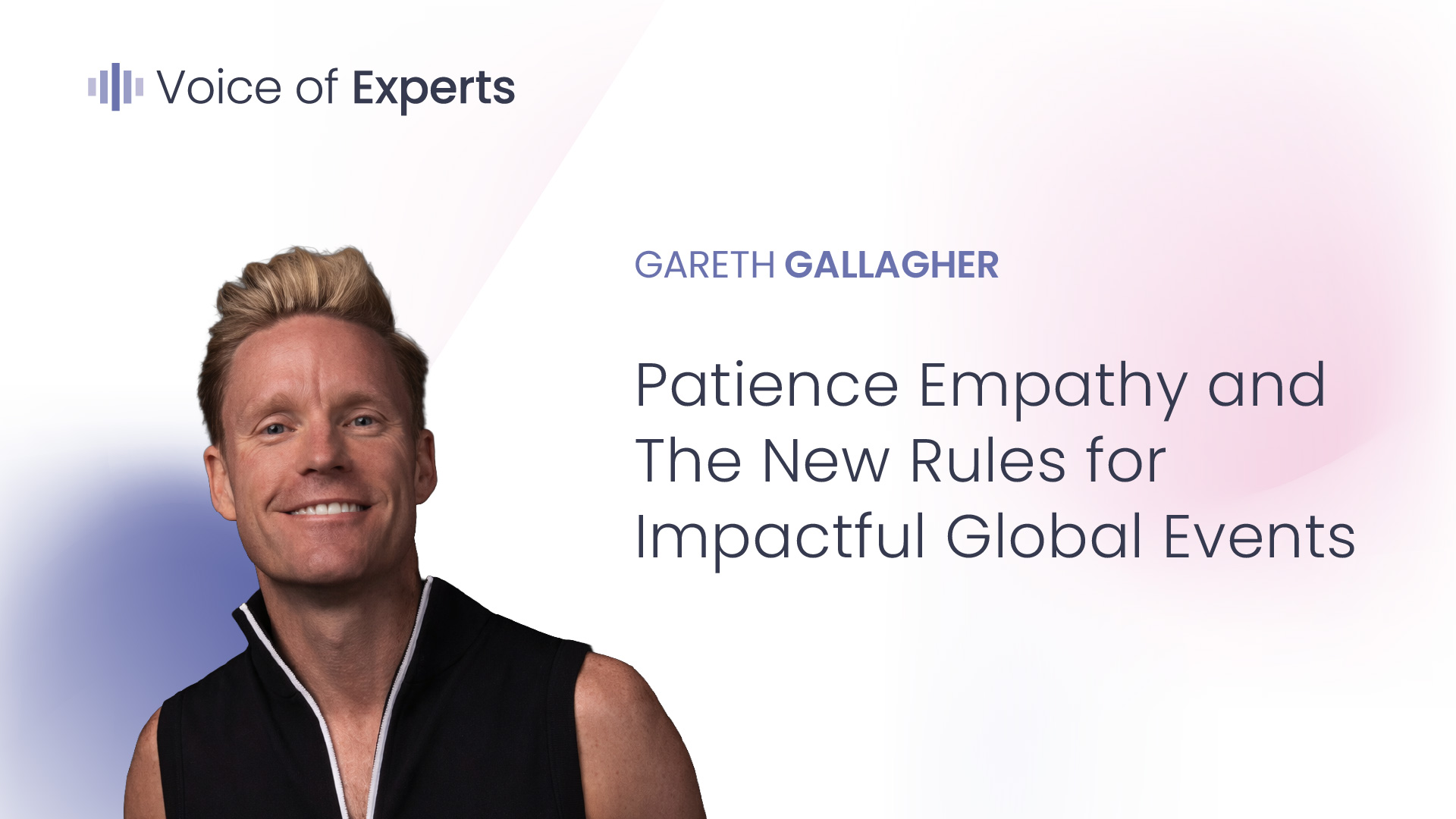
Target Market The 25th Hour serves a high-stakes global clientele, including iconic tech brands and Fortune 500 companies. Their portfolio focuses on massive-scale international events (up to 140,000 attendees) and sectors with complex compliance requirements, such as medical events (governed by the Sunshine Act) and EU-based projects (GDPR/GGPI).
Scaling Strategy Gareth Gallagher scales through a "blend" of AI efficiency and human versatility. While 80% of a project’s lead-up is digitally focused (data-driven ticket buying and campaign management), the final 20% relies on human intuition. By leveraging digital exposure, the company has expanded the reach of associations and brands that shifted online post-COVID.
USP: Human-Proofing & "The 25th Hour" The company’s Unique Selling Proposition is "Human-Proofing". Gallagher argues that "people buy people," and while AI can streamline processes, it cannot replace the human need for belonging and connection. Their success stems from focusing on how attendees feel (joy and belonging) rather than just aesthetics (carpets or stage design). The name "The 25th Hour" symbolizes the unseen commitment—the stories that happen behind the scenes to ensure a seamless "show".
Codedesign & The 25th Hour: A Strategic Cooperation Codedesign can complement Gallagher’s "human-first" philosophy by providing the technical infrastructure for "intimacy at scale":
-
Hyper-Personalization: Building AI-driven personalization engines that make attendees feel "seen" (e.g., personalized digital touchpoints).
-
XEO (Generative Engine Optimization): Implementing Ann Handley’s concept of "XEO"—ensuring event brands are the "best possible answer" wherever questions are asked in the AI-first world.
-
Zero-Party Data Collection: Helping events navigate strict compliance (GDPR/Sunshine Act) through transparent, high-value data exchanges.
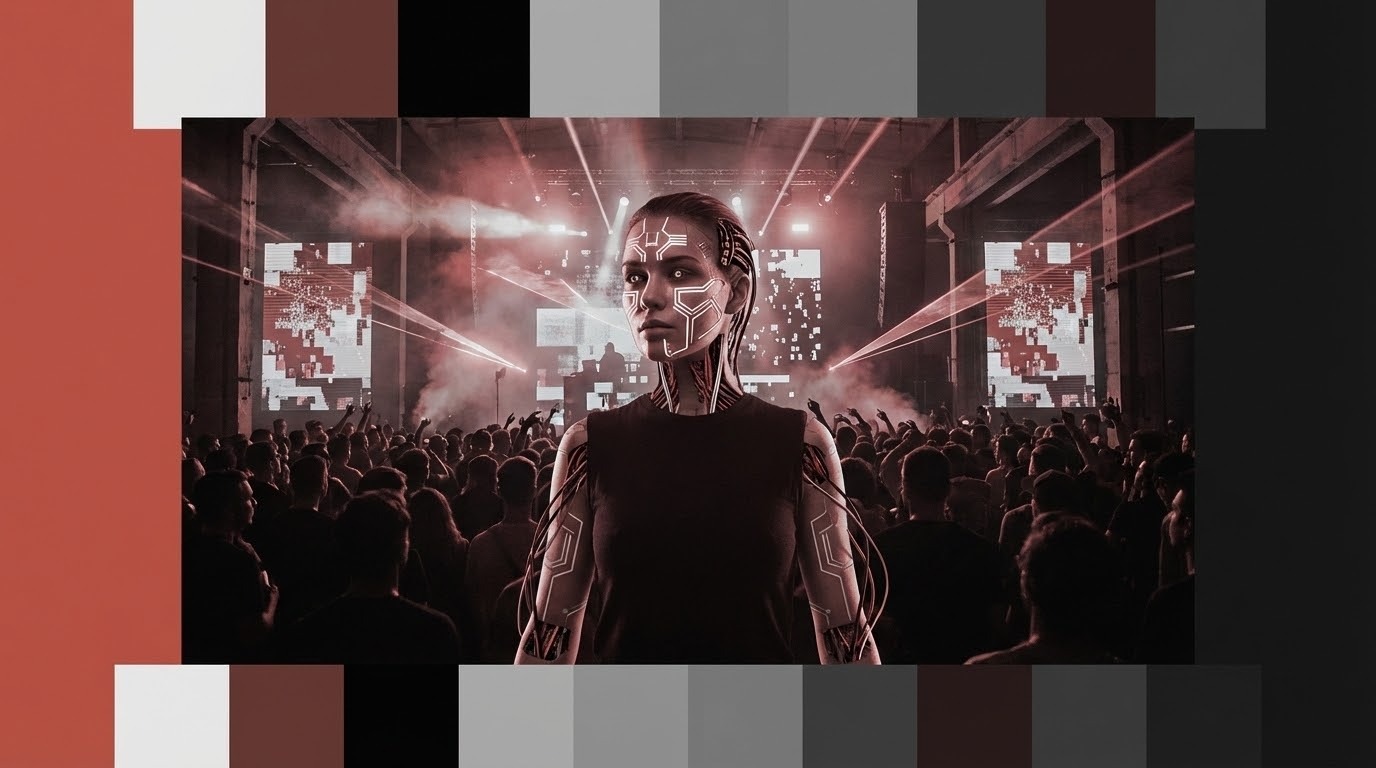
The Human-Digital Hybrid Event
Vertical: Global Events Industry (Tech & Enterprise)
The Problem: "Optimization Theater" vs. Authentic Connection
Many event brands fall into the "death spiral" of prioritizing measurable short-term lift (funnel tweaks, price increases) over user experience. As Gareth Gallagher notes, spending millions on stage design is futile if the message doesn't make the audience feel they belong.
4 Ideas to implement in Events using Digital Marketing
1. Digital Transformation & Strategy
- Omnichannel "Human Friction": Move away from pure automation. Use digital channels to build the "80%" (lead-up), but use "Dark Social" (Slack, podcasts, LinkedIn) to foster community trust before the event begins.
-
Digital Maturity Assessment: Evaluate how event tech (chatbots/AI) currently impacts "patience and timing." Tech should reduce friction for the user, not just increase efficiency for the brand.
2. AI & Next-Gen Tech: Intimacy at Scale
-
Agentic AI for Personalization: Deploy AI as a "coach and spotter"—assisting attendees in finding the right sessions or networking partners—while keeping the attendee as the "gymnast" (the center of the experience).
-
Gamification Engines: Use AI-driven gamification to build engagement, which Gallagher highlights as an "incredible way" to create intimacy within massive crowds.
3. Performance & Growth Marketing
-
B2B ABM (Account-Based Marketing): For high-value enterprise events, shift focus from generic "virality" to targeted ABM motions.
-
Revenue Operations (RevOps): Align data compliance across global markets (EU vs. US) to ensure that the "ticket-buying data" translates into long-term customer retention, not just a one-time seat sale.
4. Specialized Digital Services
-
Content Operations (ContentOps): Adopt a "Less is More" strategy. Instead of a "content machine" producing recycled templates, focus on high-impact, relatable messages that reinforce expertise.
-
Zero-Party Data Strategy: Collect data through interactive experiences (polls, personalized agendas) to ensure compliance while deepening the "human" understanding of the attendee.
The Result: The "Mentally Healthy" Event
By applying Gallagher’s leadership philosophy—checking in on "how people feel" before discussing productivity—and Codedesign's digital precision, the modern event succeeds not through "more" content, but through "more" understanding.
Key Takeaway for Event Leaders: Success is not diagnosed by the product, but by the sense of joy and connection attendees carry home. Use digital as the bridge, but keep the human as the anchor.

Add comment ×